Updated September 2026
Choosing between East Aspen and the Central Core comes down to one question: does daily life work better centered on walking to everything, or on quiet, trail access, and more room to spread out? Both neighborhoods sit close to downtown Aspen, but they deliver almost opposite versions of what living there actually feels like day to day, and the choice affects everything from property type to parking to which months of the year the road even stays open.
East Aspen | Central Core | |
|---|---|---|
Setting | Lower-density, trail-adjacent, larger lots | Walkable historic district, condo-heavy |
Daily pace | Quiet, nature-focused | Lively, dining and shopping at the doorstep |
Getting around | Generally requires a vehicle | Car-optional, gondola and shuttle access |
Seasonal quirk | Independence Pass closes November through May | Four-hour parking limits, no overnight street parking |
Property Types and Setting
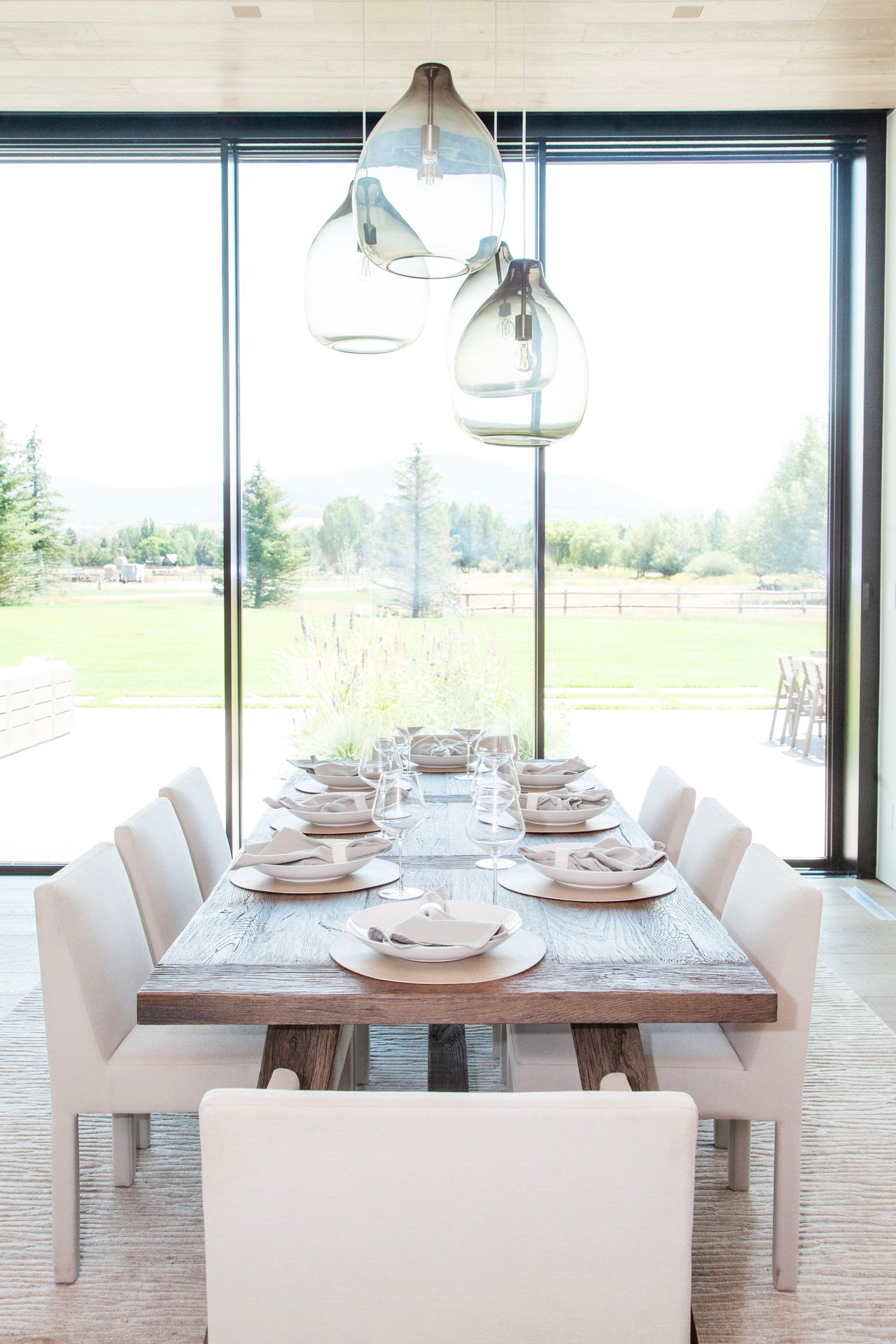
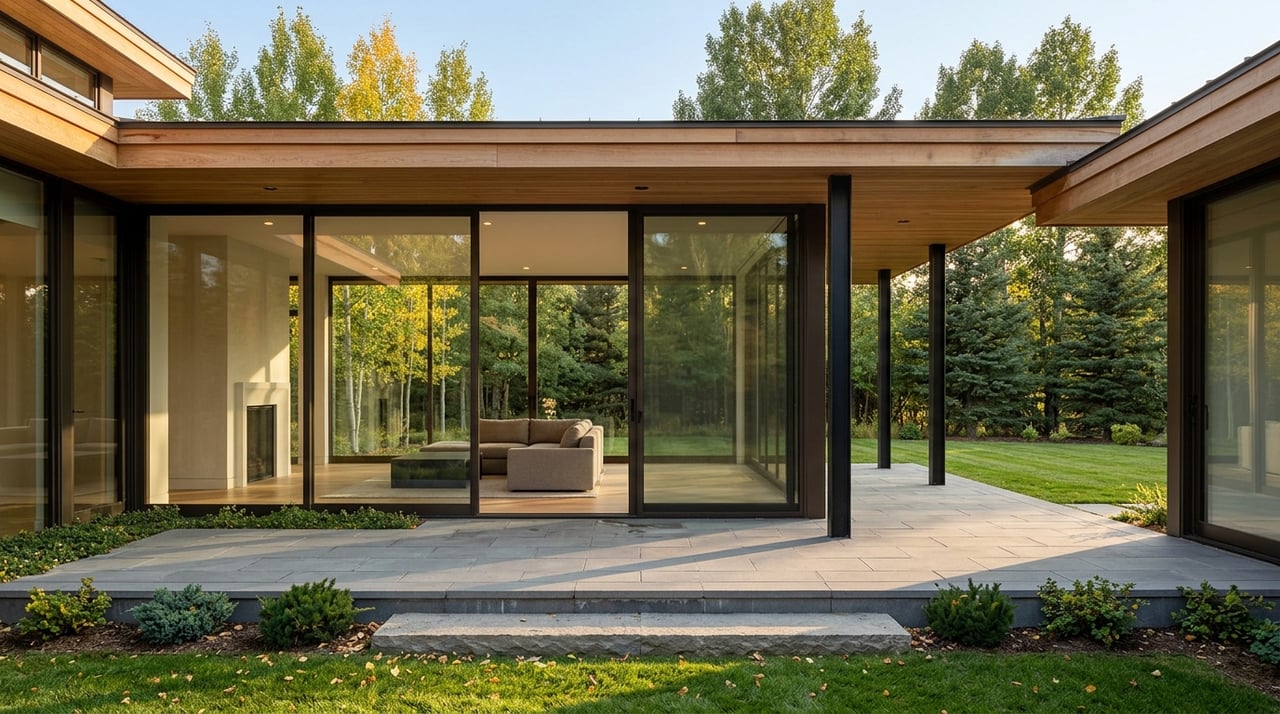
East Aspen sits as a lower-density residential corridor stretching between North Star Preserve and Tagert Lake, home to condos, single-family homes, and larger estates spread across a quieter setting than downtown offers. Properties here tend to back up to trail access, river frontage, or open mountain views, and lot sizes generally run larger than anything available in the Central Core.
The Central Core, by contrast, is Aspen's walkable historic district: condos, townhomes, penthouses, and preserved Victorian buildings packed into a compact downtown footprint. Buyers here are choosing density and location over land, trading square footage and privacy for proximity to nearly everything Aspen offers.
Lifestyle and Daily Rhythm
East Aspen revolves around nature access more than foot traffic. Residents live close to Ute Park and the East of Aspen Trail, and the neighborhood's pace reflects that: fewer people on the sidewalk, more time spent outside the front door than in it. It suits buyers who want Aspen's setting without Aspen's density.
The Central Core runs on a completely different rhythm. Dining, shopping, arts programming, and direct access to the Silver Queen Gondola all sit within a short walk, and many residents in this area rarely need a car for day-to-day errands. That convenience comes with tradeoffs: more foot traffic, less privacy, and a livelier atmosphere that some buyers love and others actively avoid.
Access and Seasonal Logistics
One detail catches out-of-market buyers more than almost anything else in East Aspen: Independence Pass typically closes from November through May, which affects how certain parts of the corridor connect to the rest of the region during winter months. It's rarely a dealbreaker, but it's a seasonal reality worth understanding before buying rather than discovering after closing.
Central Core parking runs on a different set of rules entirely, with a four-hour limit in most zones and restrictions on overnight street parking. Buyers who plan to keep a vehicle in town should confirm a unit's parking situation (assigned, underground, or none) before assuming street parking will cover daily needs, since the downtown condo market varies significantly on this point building to building.
Which Base Fits Your Priorities
A few practical questions tend to settle this decision faster than a list of neighborhood features:
- Does daily life run better on foot or by car? Central Core favors walking; East Aspen generally requires a vehicle for most errands.
- Is privacy or proximity the higher priority? East Aspen offers more space and separation from neighbors; the Central Core trades that space for location.
- Will the property see short-term rental use? Rental permit rules differ meaningfully between the two areas and should factor into the decision early, not after closing.
Local Tip: Visit both neighborhoods on a weekday afternoon and a weekend evening. The contrast between East Aspen's quiet and the Central Core's energy is far more noticeable outside of a single midday showing appointment.
The Bottom Line
Neither neighborhood is the objectively better choice; they serve genuinely different versions of Aspen living. Buyers who want walkability, nightlife, and gondola access at the doorstep tend to be happiest in the Central Core, while those who want more land, more quiet, and closer trail access tend to prefer East Aspen. Buyers still weighing a third option should also look at West Aspen's ski-oriented neighborhoods, which offer yet another version of the tradeoff between access and space, or review how areas like Cemetery Lane are evolving on the west side of town.
Deciding between East Aspen and the Central Core often comes down to details that don't show up on a listing sheet: which streets stay quiet in ski season, how parking actually works building to building, or which blocks flood with tourist foot traffic in July. Carrie Wells has worked both neighborhoods for decades and can help match a buyer's daily routine to the right base before touring begins.